
Crude Oil Processing & Distribution
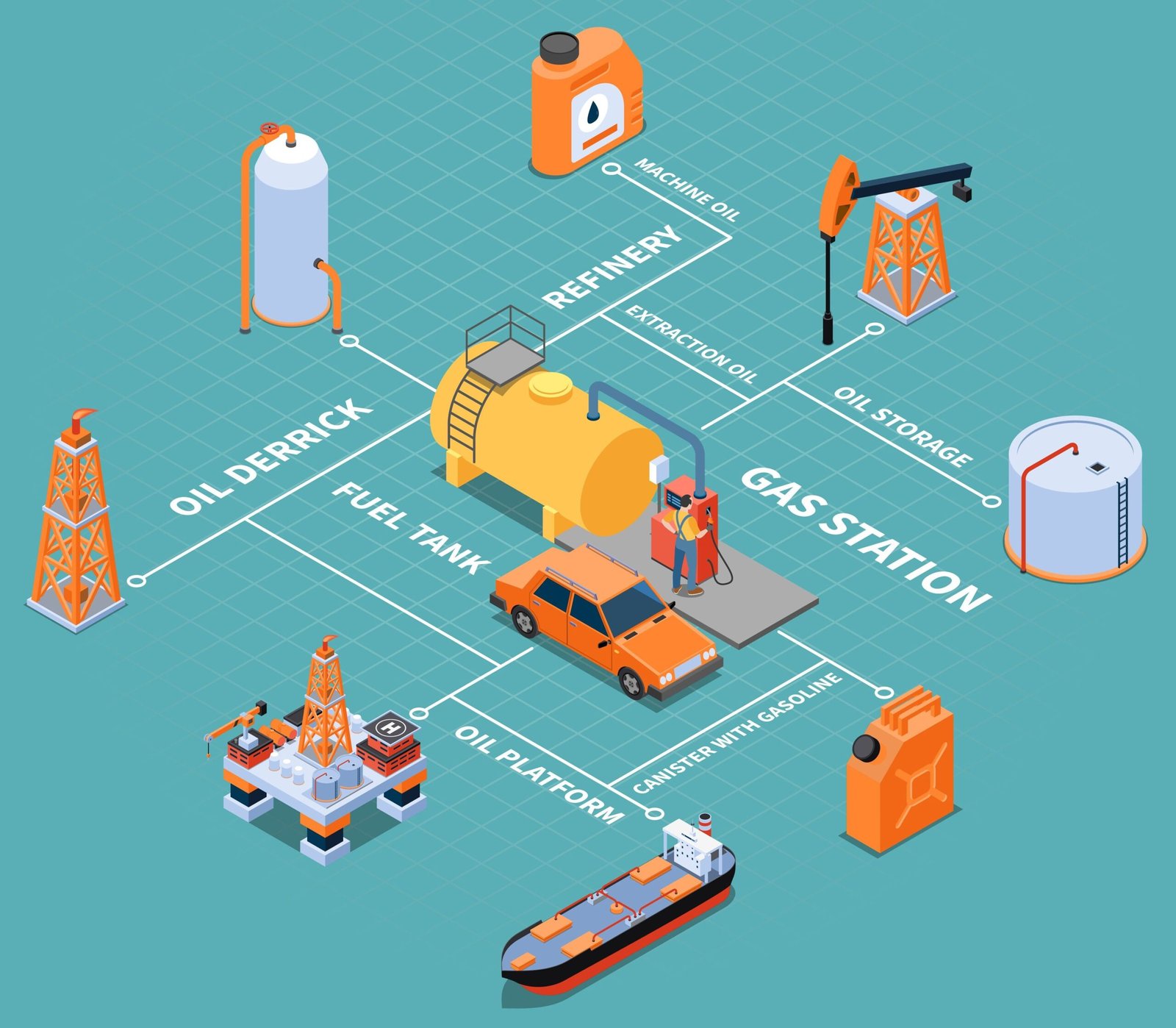
The processing of crude oil from extraction to final distribution involves several complex and interconnected stages, typically organized into three main sectors: upstream, midstream, and downstream operations. Below is a step-by-step outline of this journey:
Upstream: Exploration & Extraction
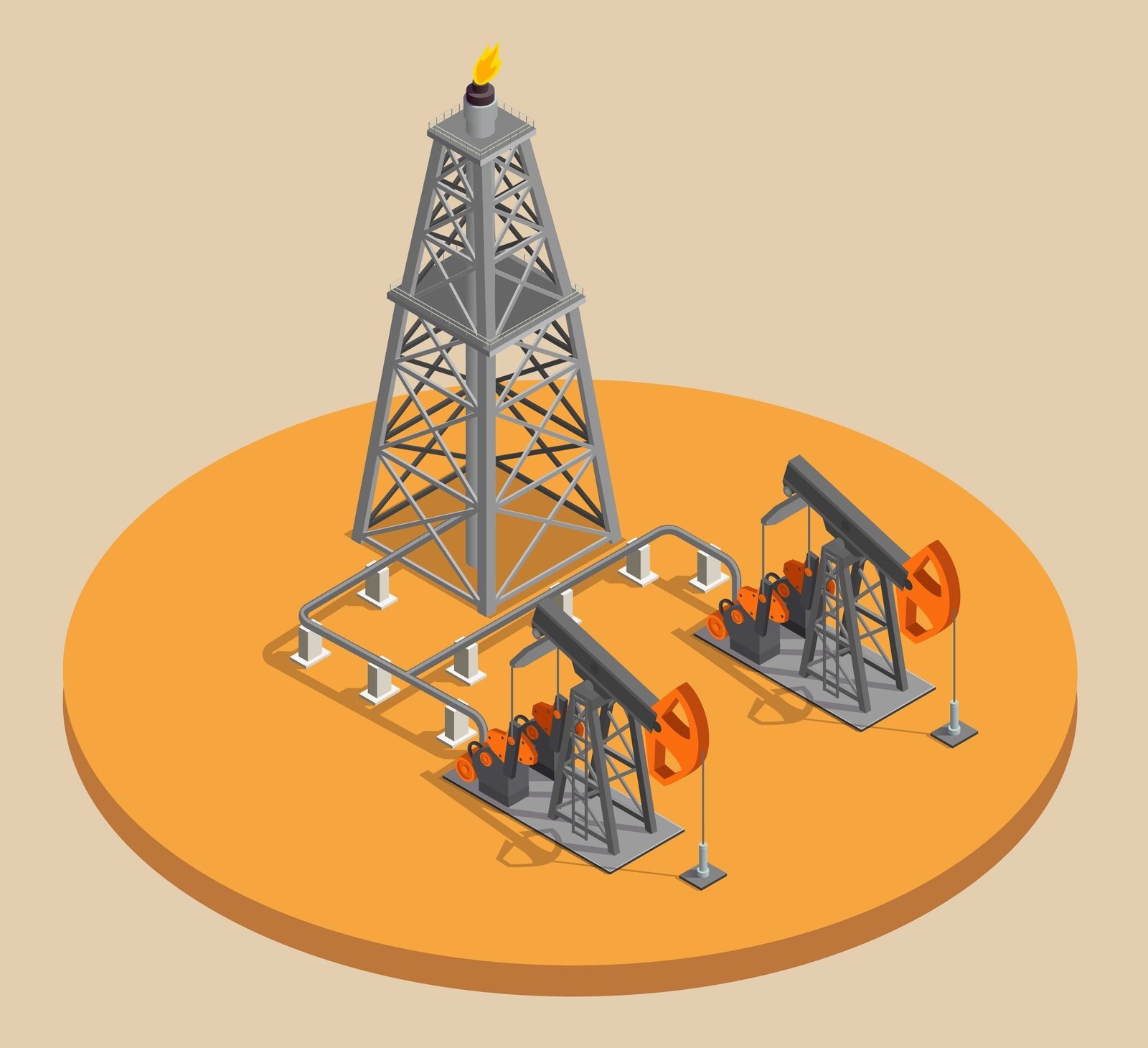
Pumpjack extracting oil in an arid field. Constructing access roads, preparing the land, and setting up drilling infrastructure. Identifying potential oil reserves using methods like seismic surveys and satellite imaging.
Boring wells—both vertical and horizontal—to access and extract the oil below ground.
Pumping the crude oil to the surface. This may involve primary recovery or, in some cases, secondary/enhanced recovery techniques such as injecting water or gas to maximize yield.
Midstream: Transportation & Storage
Removing some impurities or water from the extracted oil at or near the site.
Moving crude oil from the well site to refineries via pipelines, barges, rail, or trucks.
Temporarily holding crude oil in tanks or storage farms to regulate supply before refining.
Downstream: Refining, Blending & Distribution
Refining transforms crude oil into usable products through several key steps:
Separation/Distillation: Crude oil is heated in furnaces, causing it to vaporize. These vapors rise through a distillation column, where they separate into fractions according to boiling points—lighter products like gasoline condense at the top, heavier products like diesel and residue stay at the bottom.
Conversion (Cracking, Reforming, etc.): Heavy fractions are chemically broken down (cracking) or reconfigured (reforming/alkylation) to increase output of more valuable products like gasoline and jet fuel.
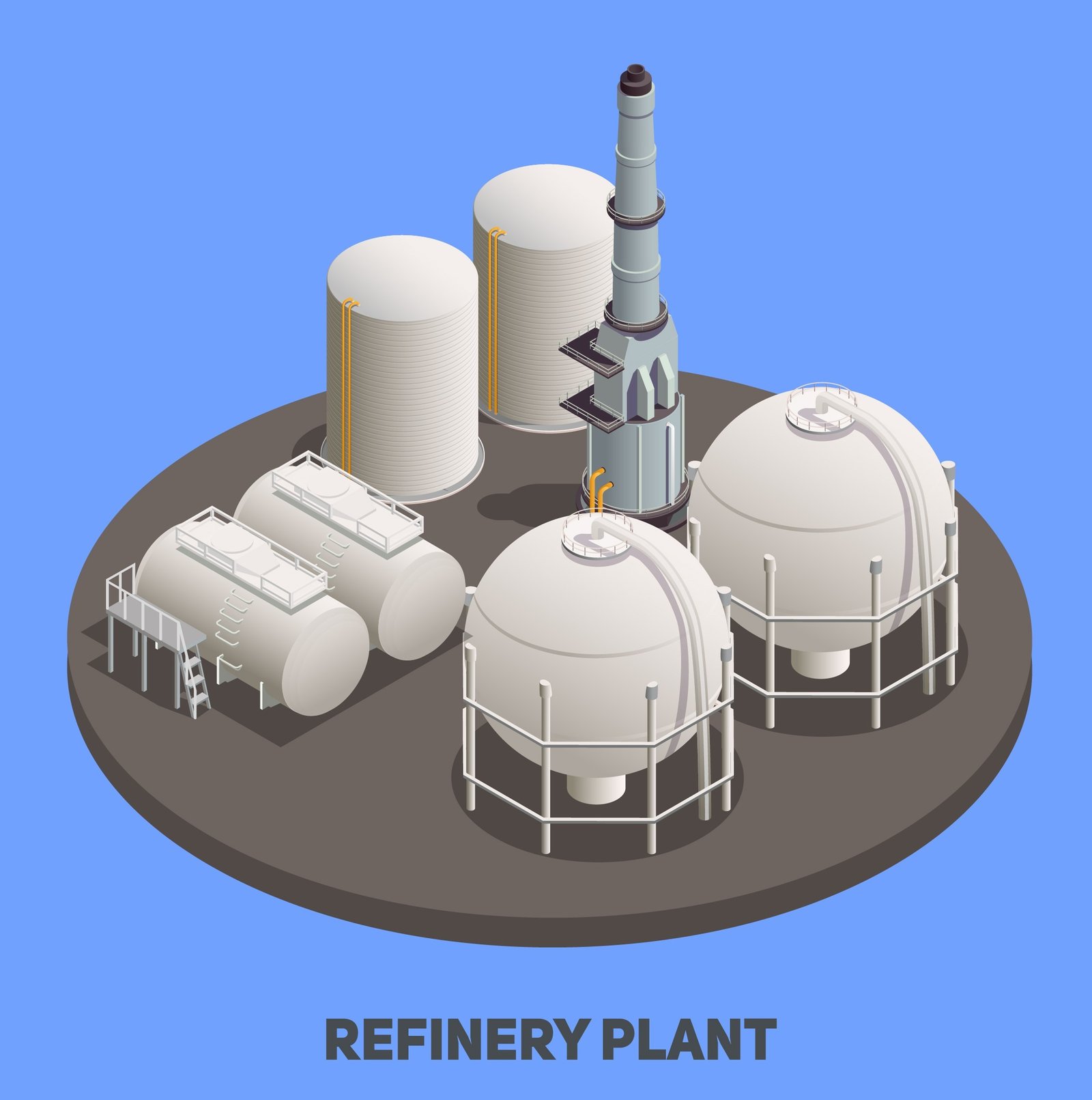
Treatment & Blending: Refinery units remove impurities such as sulphur (desulphurization) and mix/blend components to achieve market specifications for octane, vapor pressure, etc., as well as environmental standards.
After refining, the fuels and products are placed in large tanks for storage. They are transported or delivered via pipelines, trucks, rail, or ships to terminals, depots, and then to final points of sale. Thus, reaching end users such as gas stations, industries, homes, and power plants.
Impact of Drilling on Crude Refining
The initial steps of drilling and exploration significantly influence the refining process in several key ways:
Quality and Composition of Crude Oil
Determined by Exploration: Geologists and engineers assess potential reserves through seismic surveys, core sample analysis, and exploratory drilling. These studies reveal the chemical composition and quality of crude oil (such as density, sulphur content, and impurities).
Impact on Refining: The exact composition determines which refining methods and equipment will be required. Light, sweet (low sulphur) crudes are easier and less costly to refine, requiring fewer conversion and treatment steps, while heavy, sour (high sulphur) crudes need more complex refining processes (like hydrocracking and extensive desulphurization).
Extraction Methods Affect Impurities
Influence of Drilling Techniques: Depending on the geology and reservoir pressure, extraction may necessitate enhanced recovery techniques such as water or gas injection.
Refining Adjustments: These techniques can introduce additional water, gases, or chemicals to the crude, leading to variations in impurities and emulsions that must be separated or processed before refining can proceed effectively.
Crude Refining and Logistical Impact
Consistency and Volume of Supply
Well Construction and Testing: The initial number of wells, the size and location of the deposit, and drilling methods influence the volume and consistency of crude supply sent to refineries.
Refinery Operations: Fluctuations in quality or supply volume require refineries to adjust operating parameters, blending practices, and even storage solutions to maintain efficiency and product standards.
Logistical and Environmental Impact
Site Preparation and Infrastructure: The location and accessibility of well sites (onshore, offshore, remote areas) directly affect pipeline construction, transportation costs, and midstream operations—ultimately influencing how quickly and efficiently crude arrives at refineries.
Pre-Treatment Needs: Environmental controls during drilling (for water, chemicals, or gas management) may require pre-treatment of crude before refining, especially to comply with safety or environmental regulations.
Crude Refining Supply Chain
The supply chain structure of oil distribution from refinery to petrol stations typically follows these stages:
Refinery: Crude oil is processed and refined into various petroleum products (gasoline, diesel, jet fuel, etc.) at the refinery. This is the main transformation point where crude oil becomes usable fuel and other products.
Terminals: Refined products are transported to terminals located near transportation hubs. Terminals act as the final staging points before the fuel is delivered to the point of sale. Additives such as ethanol are often blended into the fuel at the terminal. Terminals can be owned by petroleum marketers, pipeline companies, or integrated oil companies.
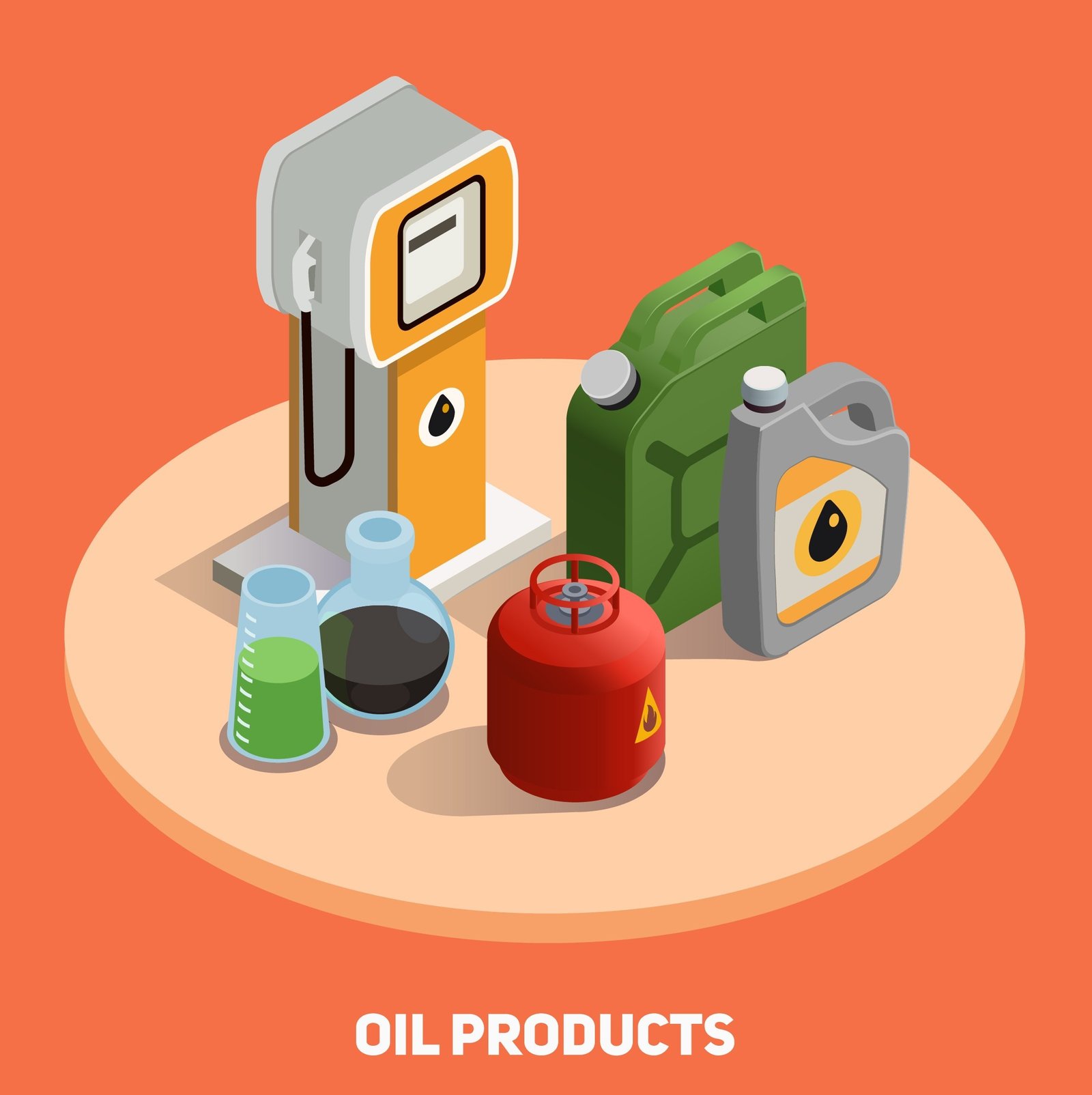
Transportation to Petrol Stations: From terminals, refined products are transported primarily by tanker trucks to petrol stations. Other modes of transport, such as pipelines, ships, or rail, may be used depending on location. Delivery trucks carry fuel in smaller loads suitable for retail distribution.
Petrol Stations (Point of Sale): Petrol stations store the refined fuel in underground tanks. Stations are mostly owned by independent operators licensed to sell branded fuels. Fuel is sold directly to consumers for vehicles and other uses.
Pipelines are the major method to move crude oil into storage and refineries. Terminals manage supply and distribution logistics and serve as buffer storage. The supply chain ensures continuous delivery to meet demand and contracts. This structure ensures the refined fuel is efficiently delivered from refineries through terminals and transportation networks to retail petrol stations for final consumer use.